
Forex trading live is a dynamic and fast-paced environment where traders seek to capitalize on fluctuations in currency values. As a trader, having access to real-time data and insights can be the difference between profit and loss. For those interested in maximizing their trading strategies and outcomes, exploring resources such as forex trading live Pro Trading UAE can be invaluable.
Understanding Forex Trading
The foreign exchange (Forex) market is the largest financial market in the world, with a daily trading volume exceeding $6 trillion. Currency pairs are traded in real-time, and traders can profit from both rising and falling markets. Understanding how the Forex market operates is essential for anyone looking to trade successfully.
Forex trading involves buying one currency while simultaneously selling another. Currency pairs are categorized into three main groups: major pairs, minor pairs, and exotic pairs. Major pairs consist of the most traded currencies globally, such as EUR/USD or USD/JPY. Minor pairs deal with other major currencies, while exotic pairs consist of a major currency against a currency from an emerging market.
The Importance of Live Trading
Live Forex trading allows traders to react to market movements as they happen. In this environment, timing is crucial. Market trends can shift rapidly based on economic news, geopolitical events, and other factors. Utilizing live trading platforms can provide traders with the necessary tools to make informed decisions.
One of the primary advantages of live trading is access to real-time data. Traders can monitor price changes, track trends, and analyze market behavior instantly. This immediacy is critical for implementing strategies effectively and capitalizing on short-term opportunities.
Strategies for Successful Live Forex Trading
1. **Scalping:**
Scalping is a trading strategy that involves making numerous trades throughout the day to capture small price movements. Scalpers aim to profit from these small changes, which can add up to significant gains over time. This strategy requires quick decision-making and a high level of focus.
2. **Day Trading:**
Day trading involves opening and closing positions within the same trading day. Traders using this strategy aim to profit from smaller price movements, often based on specific news or economic releases. This method requires a solid understanding of price action and technical analysis.
3. **Swing Trading:**
Swing trading is a longer-term strategy where traders hold positions for several days or weeks. This approach allows traders to take advantage of price swings or trends. It requires patience and a thorough understanding of market cycles and trends.
4. **Trend Following:**
Trend following is a strategy where traders identify and follow the prevailing market direction. Traders look for signals indicating whether the market is bullish or bearish and make trades accordingly. This strategy benefits from market momentum and requires continuous monitoring of market conditions.
Tools for Live Forex Trading
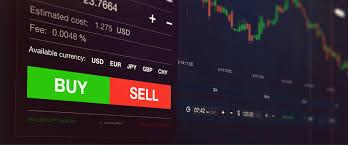
To succeed in live Forex trading, traders need to equip themselves with various tools and resources:
– **Trading Platforms:**
Platforms such as MetaTrader 4 and 5, cTrader, and TradingView provide traders with access to charts, indicators, and other essential trading tools.
– **Economic Calendars:**
Economic calendars keep traders informed about upcoming economic events, announcements, and data releases that can impact the Forex market.
– **Technical Analysis Tools:**
Tools such as charting software, oscillators, and indicators help traders analyze market trends and make informed decisions.
– **Risk Management Strategies:**
Effective risk management is crucial in trading. Techniques such as stop-loss orders, position sizing, and diversification are vital to mitigate potential losses.
The Psychology of Live Forex Trading
One of the often-overlooked aspects of Forex trading is the psychological component. Emotional discipline plays a significant role in successful trading. Traders need to maintain a level head, especially during volatile market conditions.
Key psychological factors affecting trading include:
– **Fear and Greed:** Traders may experience fear of losing money, leading to impulsive decisions, or greed when seeking profits, which can result in overtrading.
– **Overconfidence:** Becoming too confident after a series of successful trades can lead traders to take excessive risks, potentially resulting in significant losses.
– **Loss Aversion:** The fear of losing can prevent traders from making necessary decisions, such as cutting losses or taking profits.
Maintaining emotional discipline and sticking to a well-defined trading plan can help mitigate these psychological challenges.
Conclusion
Forex trading live presents both opportunities and challenges. As traders navigate this complex market, understanding strategies, embracing real-time data, and implementing effective risk management are crucial for success. Resources such as Pro Trading UAE provide valuable insights and tools to help traders refine their approach in today’s ever-evolving trading landscape.
In conclusion, whether you are a scalper, day trader, swing trader, or trend follower, the principles of effective Forex trading remain consistent. Continuous learning, adapting strategies, and applying psychological discipline can significantly enhance trading success. Dive into the world of live Forex trading, explore various strategies, leverage the right tools, and take control of your financial future.