
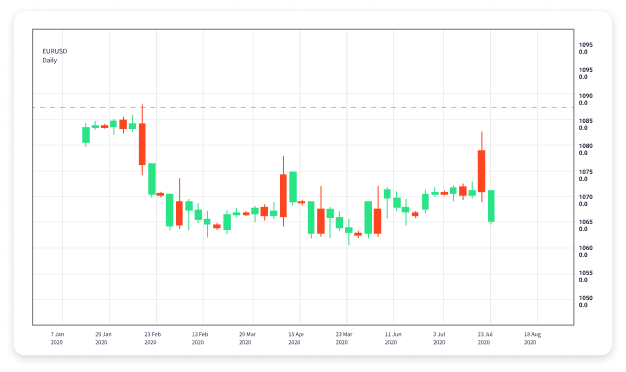
Understanding Forex Paper Trading: A Beginner’s Guide
Forex paper trading has become an increasingly popular method for aspiring traders to hone their skills without the financial risks associated with real trading. By simulating trades in a controlled environment, individuals can explore various strategies and develop a thorough understanding of the Forex market dynamics. This article will delve into the intricacies of Forex paper trading, its advantages, practical strategies, and how it sets the stage for successful live trading. If you’re looking for the forex paper trading Best UAE Brokers to start your journey, this article is for you!
What is Forex Paper Trading?
Forex paper trading refers to the practice of simulating trades without any financial commitment. This method allows traders to make hypothetical buy and sell decisions in a real-time market environment, helping them gain valuable experience and confidence before committing real money. Essentially, it’s a risk-free way to learn the ropes of Forex trading.
Benefits of Forex Paper Trading
- Risk-Free Environment: The primary advantage of paper trading is that it allows traders to practice without risking capital. This is particularly beneficial for those who are new to Forex trading and want to understand market dynamics without financial pressure.
- Strategic Development: Paper trading provides traders the opportunity to test different trading strategies in real-time. This trial-and-error process is critical for evaluating which methods resonate best and yield the highest returns.
- Emotional Control: Trading can evoke a plethora of emotions, from fear to greed. Paper trading helps traders to practice discipline in their trading habits, minimizing emotional decision-making that can lead to costly mistakes.
- Record Keeping: Most platforms allow traders to maintain logs of their trades. This feature helps in analyzing past performance and refining future strategies.
- Flexibility: As paper trading can be done at any time, it allows traders to practice whenever it fits into their schedule, providing unmatched flexibility compared to traditional trading.
Getting Started with Forex Paper Trading
To embark on your Forex paper trading journey, follow these five steps:
- Choose a Trading Platform: Select a reputable trading platform that offers a paper trading feature. Look for platforms with an intuitive interface and comprehensive tools for analysis.
- Create a Demo Account: Sign up for a demo account where you can practice trading with virtual funds. Ensure the platform provides access to market data similar to what you would encounter in a live trading environment.
- Develop a Trading Plan: Write down a clear trading plan that outlines your goals, risk tolerance, and trading strategies. A well-structured plan will act as a roadmap for your trading decisions.
- Start Trading: Begin executing trades based on your trading plan. Monitor the market and make changes as needed. Remember, the goal is to learn and adapt.
- Analyze Your Trades: Regularly review your performance, identifying what works and what doesn’t. Track your successes and failures to gain insights into your trading habits.
Common Strategies in Forex Paper Trading
While practicing with paper trading, it’s crucial to implement various strategies to find what suits your trading style best. Here are some common strategies that can be tested:
1. Scalping
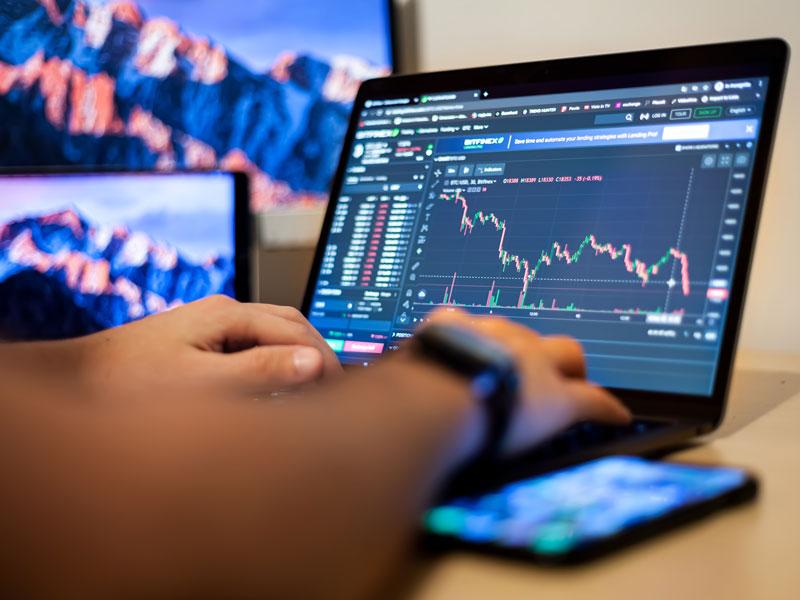
This strategy involves making numerous trades throughout the day, capturing small price movements. Scalping requires quick decision-making and has high transaction costs, making it essential to test it via paper trading first.
2. Day Trading
Day traders buy and sell within the same trading day, aiming to capitalize on short-term price fluctuations. Testing this strategy can help you understand volatility and price patterns.
3. Swing Trading
Swing trading is a medium-term strategy where traders look to capture price movements over several days or weeks. Paper trading can help you refine your approach to identifying optimal entry and exit points.
4. Position Trading
This long-term strategy involves holding trades over extended periods. Paper trading can assist in determining how to manage trades over time while assessing macroeconomic influences.
Transitioning from Paper Trading to Live Trading
After spending adequate time paper trading and building confidence in your strategies, it’s time to transition to live trading. Here are some tips for making the shift:
- Start Small: Begin with a small amount of capital to minimize risk as you familiarize yourself with real-market dynamics.
- Embrace Uncertainty: Recognize that real trading will test your emotional resilience. Be prepared for losses and understand how to manage them effectively.
- Stick to Your Plan: If you’ve developed a trading plan during your paper trading phase, adhere to it diligently in live trading.
- Continue Learning: The Forex market is ever-evolving. Stay informed and continuously educate yourself on market trends and the global economy.
Conclusion
Forex paper trading serves as an invaluable tool for traders of all experience levels. By providing a risk-free environment, it empowers individuals to develop their skills, experiment with strategies, and build the necessary confidence to transition into live trading. As you journey through the complexities of the Forex market, remember that every successful trader started somewhere, and your paper trading experience could be the tipping point for your success.